
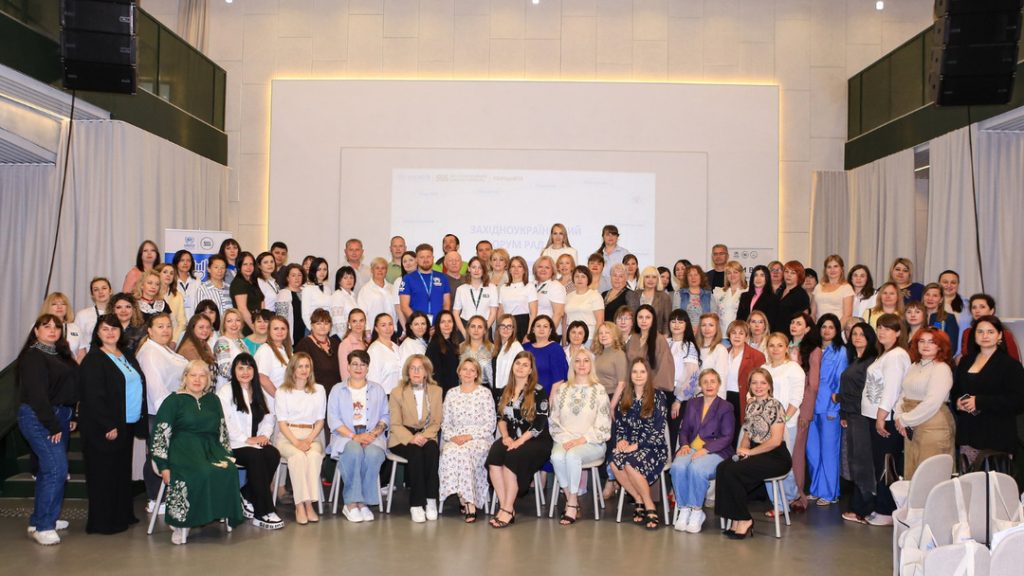
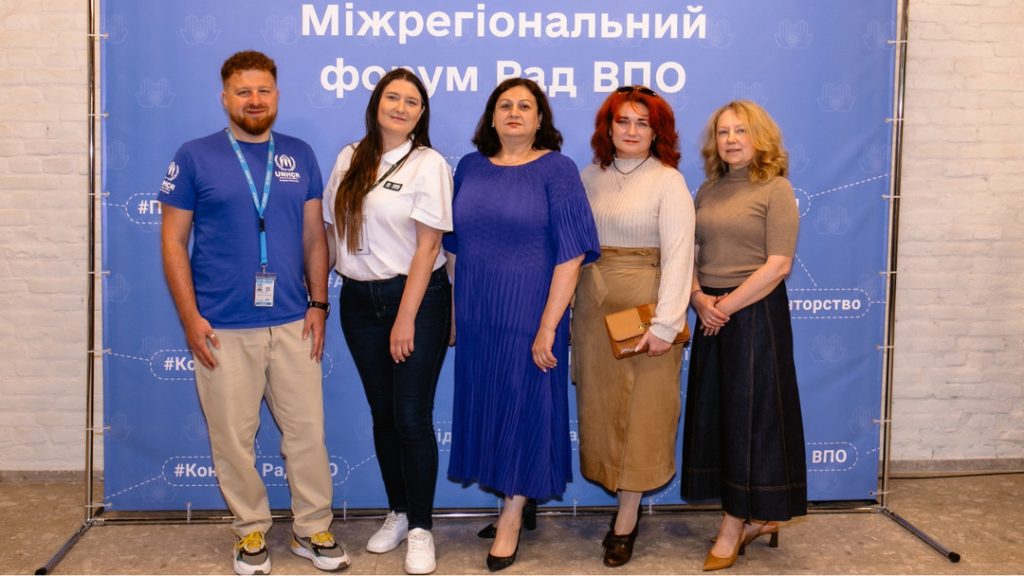
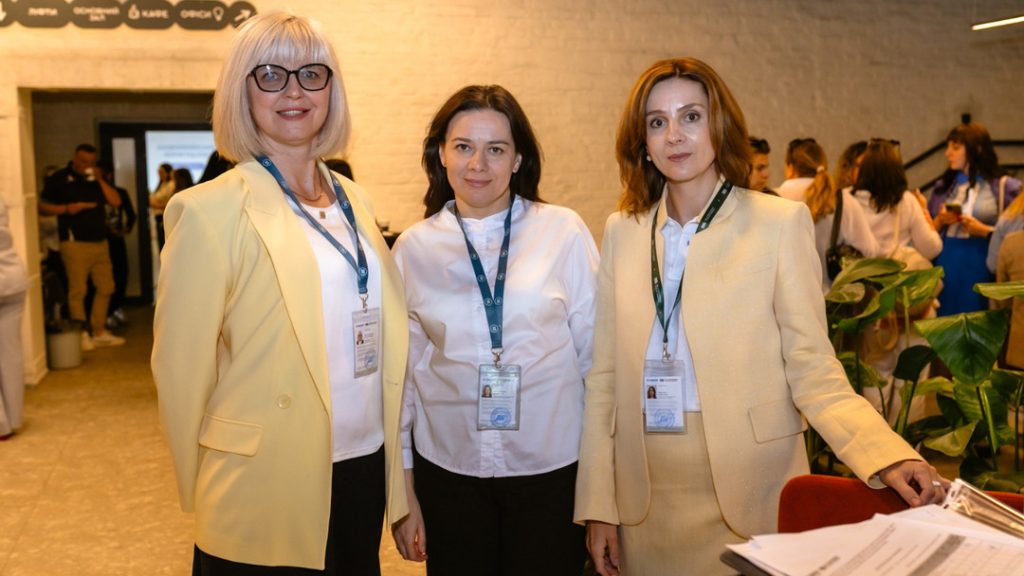
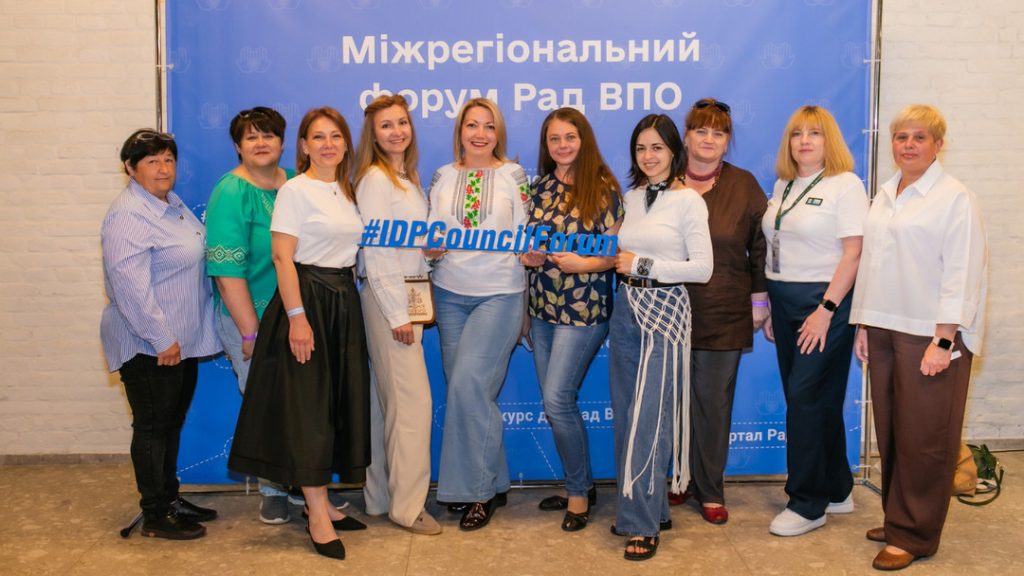
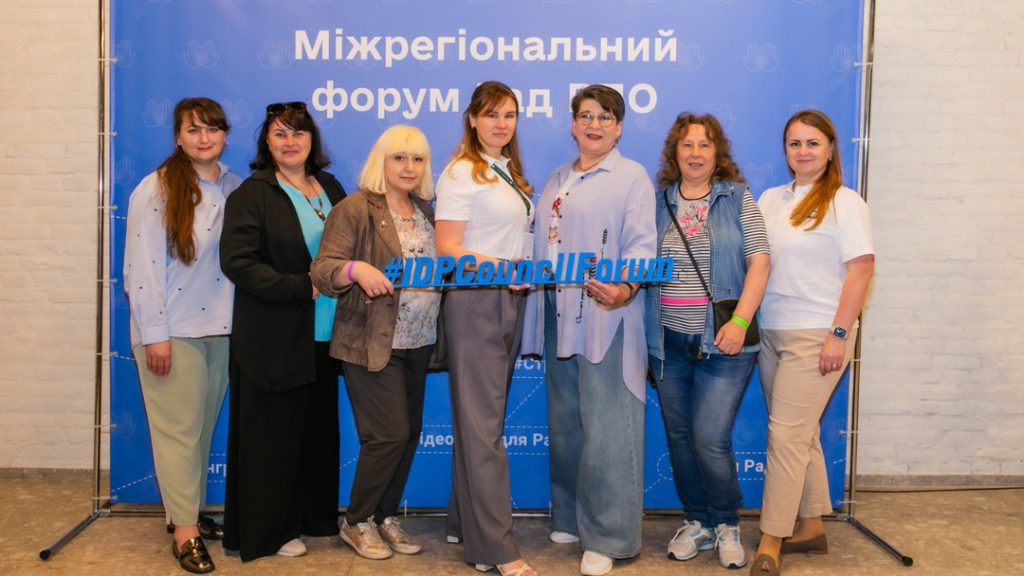
On 28–29 May, Lutsk hosted the Western Ukraine IDP Councils Forum. Participants presented practical cases demonstrating how IDP Councils help improve local programmes, advocate for housing-related issues, expand access to social support, and strengthen the participation of internally displaced people in community development processes. The event was organized by the Charity Foundation “Stabilization Support Services” as part of a project to strengthen the capacity of the social protection system, implemented with the support of UNHCR, the UN Refugee Agency in Ukraine.
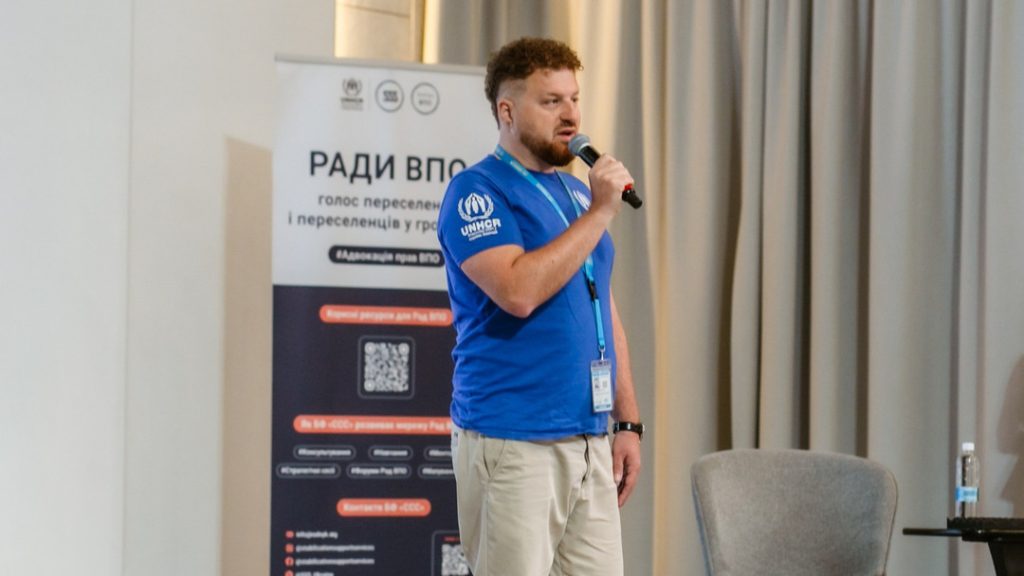
“After 2014, I worked with communities in eastern Ukraine, including Mariupol, where we received the first waves of internally displaced people. This experience became especially important after the beginning of the full-scale invasion, because it was communities and Ukrainians themselves who were the first to support one another in the most difficult moments.
Today, UNHCR continues to work as a humanitarian organisation that not only provides direct assistance to IDPs but also supports the capacity of communities. That is why supporting IDP Councils is one of the important areas of our work. We see them as an effective mechanism for interaction between internally displaced people and local self-government bodies. They help raise pressing issues, strengthen the participation of IDPs in community life, and jointly seek long-term solutions,” said Pavlo Kutana, Protection Associate at the UNHCR Lviv Office, during his welcoming speech.
Representatives of IDP Councils from eight regions — Volynska, Zakarpatska, Ivano-Frankivska, Lvivska, Rivnenska, Ternopilska, Khmelnytska, and Chernivetska oblasts — took part in the event, with more than 90 participants attending overall.
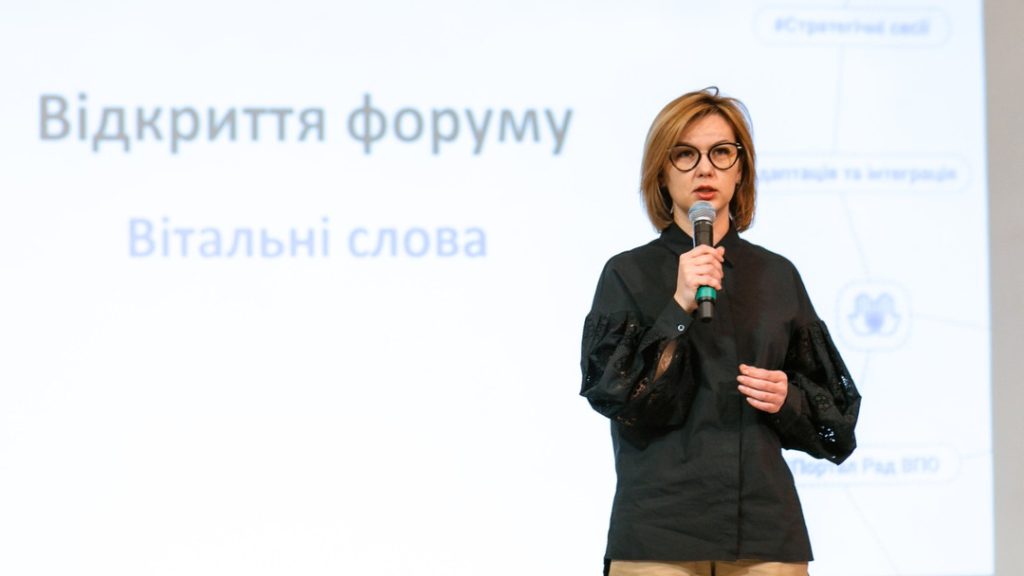
“The IDP Council of the Lutsk City Territorial Community is an example of effective cooperation between local authorities and internally displaced people. The IDP Council has succeeded in creating a permanent platform for dialogue with the city authorities on housing, employment, education, social protection, and humanitarian assistance. Thanks to the work of IDP Councils, internally displaced people can actively participate in local self-government and in shaping inclusive support policies for people affected by the war. The Lutsk City Council will continue supporting IDPs and facilitating their integration into community life,” emphasised Kateryna Shklioda, Secretary of the Lutsk City Council.
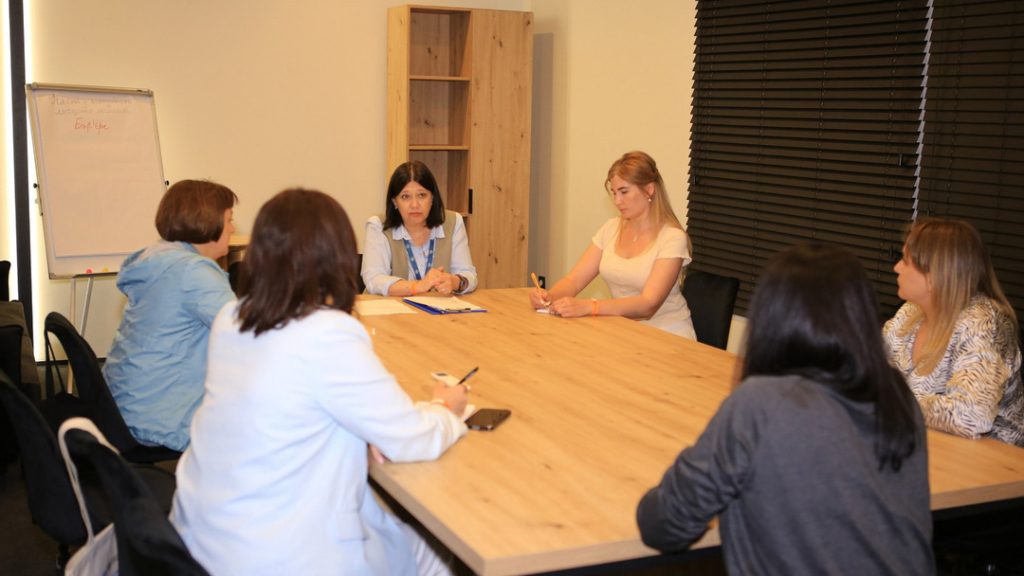
Over the course of two days, participants discussed how IDP Councils influence decision-making in communities, what barriers hinder the implementation of state support programmes for IDPs at the local level, and how to strengthen the participation of displaced people in recovery and community development processes.
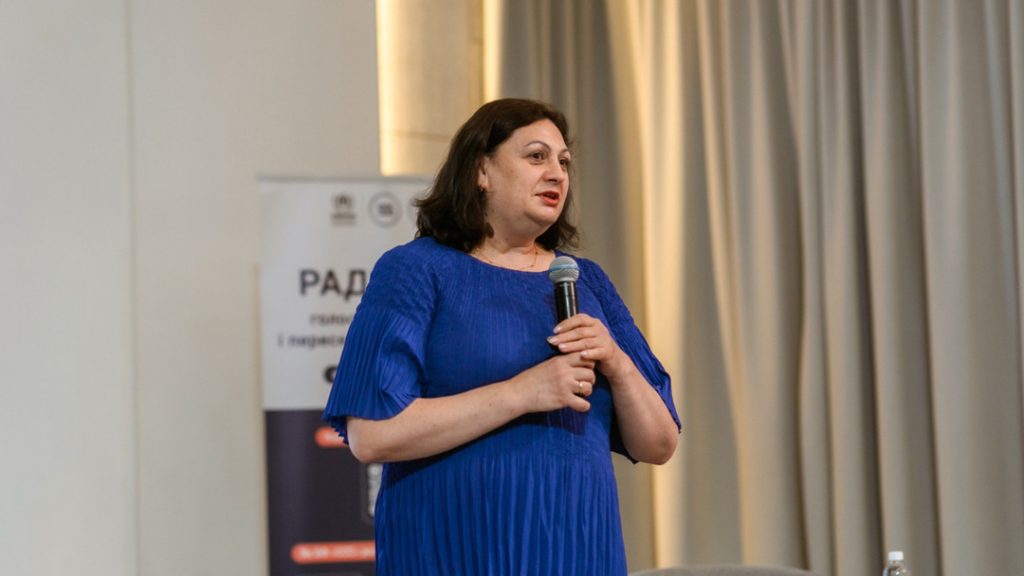
“IDP Councils play an important role in interaction between authorities, communities, and people forced to leave their homes because of the war. In Volynska Oblast, such councils are already operating under the Regional Military Administration, all district administrations, and in 21 territorial communities. The councils include active and motivated people who understand the needs of displaced people and are ready to work on practical solutions for communities. That is why it is important for us not only to support the activities of IDP Councils but also to strengthen their capacity, develop cooperation with local self-government bodies, and systematically assess the needs of internally displaced people,” noted Oksana Hobod, Director of the Department of Social Protection of the Volyn Regional Military Administration.
During the panel discussion “How Do IDP Councils Influence Government Decisions?”, representatives of IDP Councils from different regions shared practices of cooperation with local self-government bodies, examples of advocating for IDP needs, and ways of involving displaced people in community life.
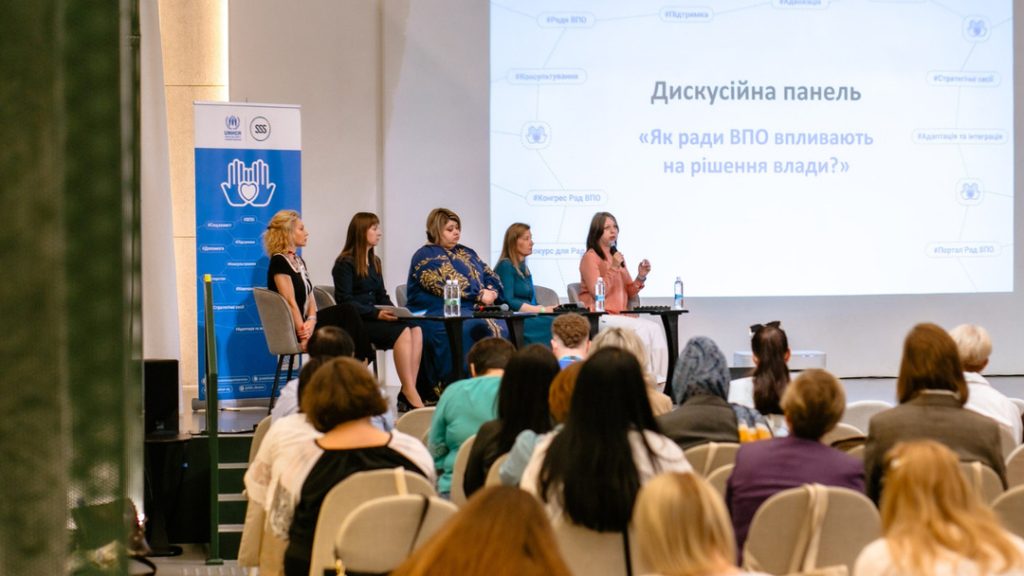
“It is through systematic dialogue with local authorities that it becomes possible to initiate changes beneficial both for IDPs and for communities in general — from employment and housing issues to access to services and the development of local support programmes. Community residents need to understand that IDP Councils help build more resilient, cohesive, and effective communities for everyone. Community recovery is impossible without the participation of IDPs, because hundreds of thousands of people have already become part of these communities, work there, pay taxes, and influence local development alongside other residents,” said Natalia Rusakova, Head of the Coordination Council on IDPs under the Executive Committee of the Rivne City Council.
Special attention was also paid to the implementation of state programmes for IDPs. During the second panel discussion, participants discussed the main obstacles arising at the local level: insufficient coordination, limited funding, and lack of effective communication between authorities and displaced people.
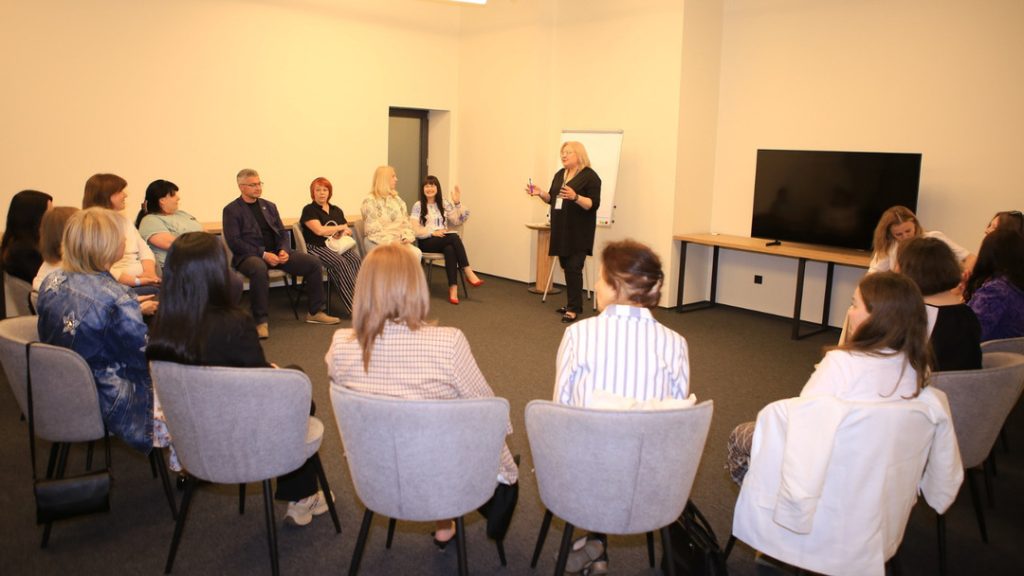
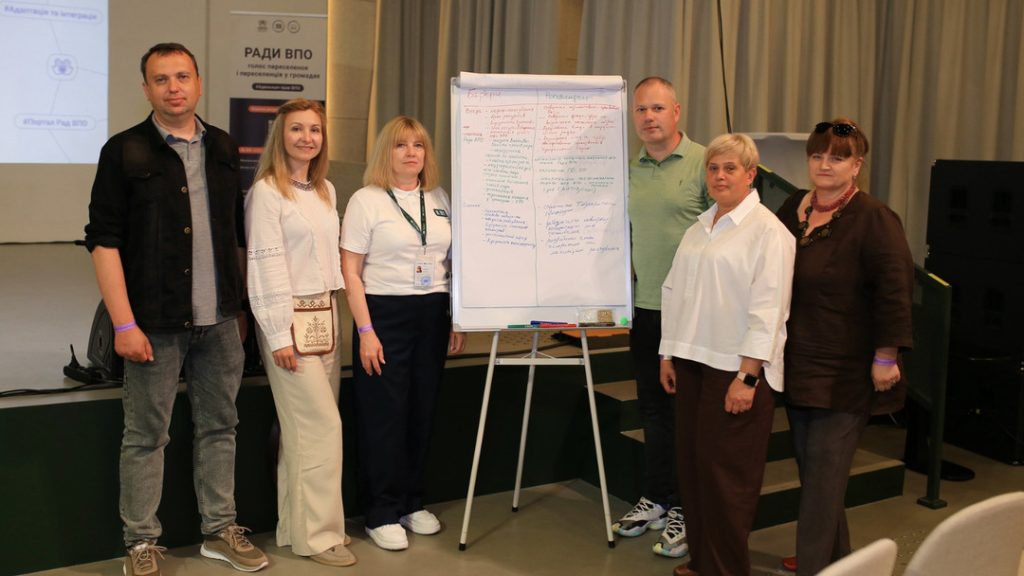
The Forum also included workshops on strengthening the role of IDP Councils in recovery processes, local budget planning, partnership development, and resource mobilisation for local initiatives.
Olena Bespalova, member of the IDP Council under the Kalush City Council, said:
“For me, this IDP Councils Forum is an important space for discussing the current needs and challenges faced by IDPs, as well as for exchanging practical solutions that are already working in communities. Such meetings help generate new ideas and initiatives, create a sense of support, and strengthen interaction between members of IDP Councils. The opportunity for open dialogue between IDP Councils, authorities, and civil society organisations is especially valuable. It is through such cooperation that effective solutions promoting the integration of new residents into communities can be found together.”
The Forum also presented the national award “For the Councils of the Future”, designed to recognise the best practices of IDP Councils at the national level. The nomination process is currently underway on the IDP Councils Portal, and the winners will be awarded during the 4th All-Ukrainian IDP Councils Forum this autumn.
Results of the Western Ukraine IDP Councils Forum:
- successful practices of advocating for change at the local level were presented;
- key barriers to implementing state support programmes for IDPs in communities were identified;
- the need for a systematic approach to supporting IDPs based on assessing their real needs was emphasised;
- the need for clear information mechanisms and social support services for IDPs, especially in small communities and rural areas, was highlighted;
- participants called for simplifying and standardising procedures within IDP support programmes so that communities can respond more quickly to the needs of displaced people.
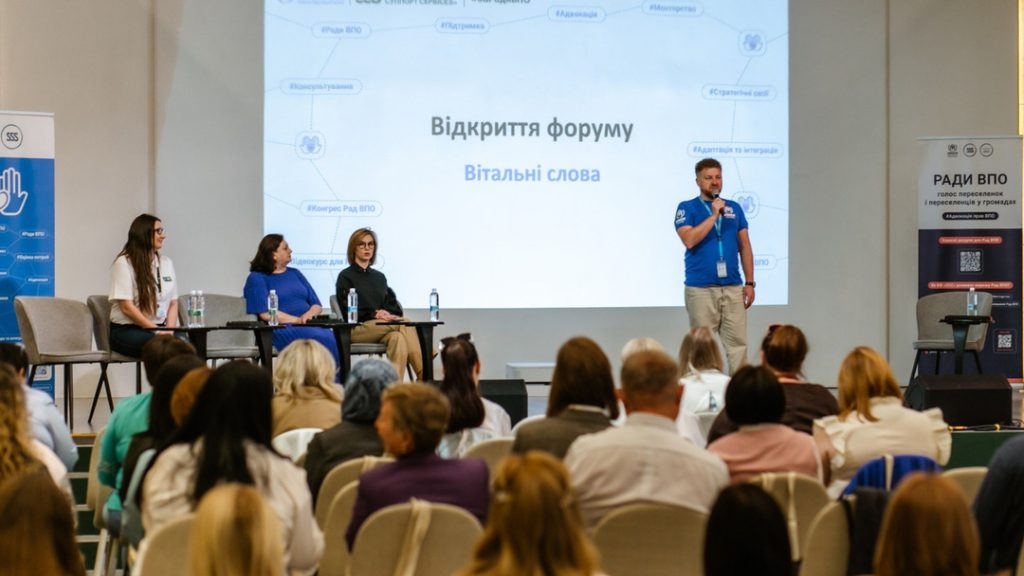
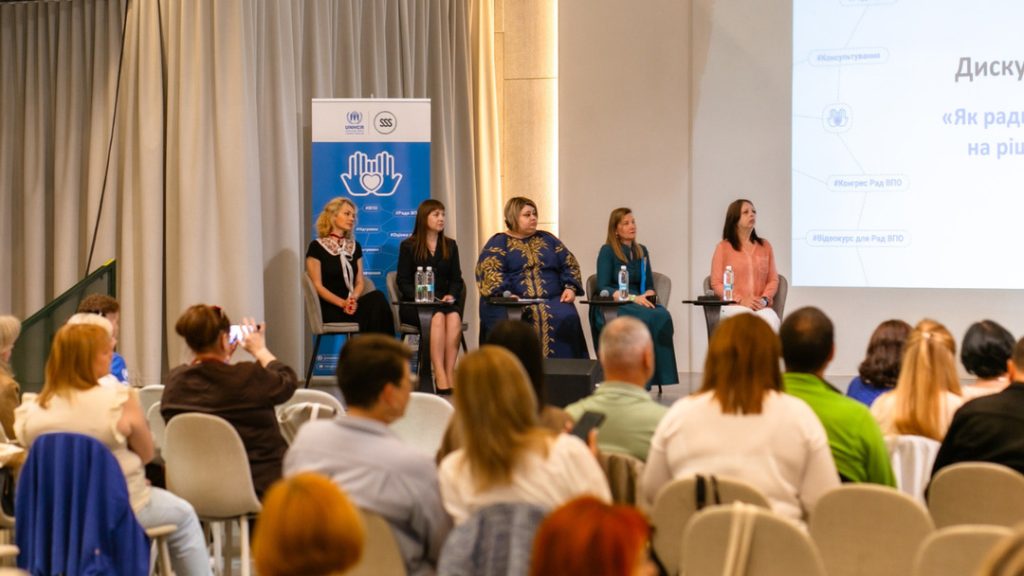
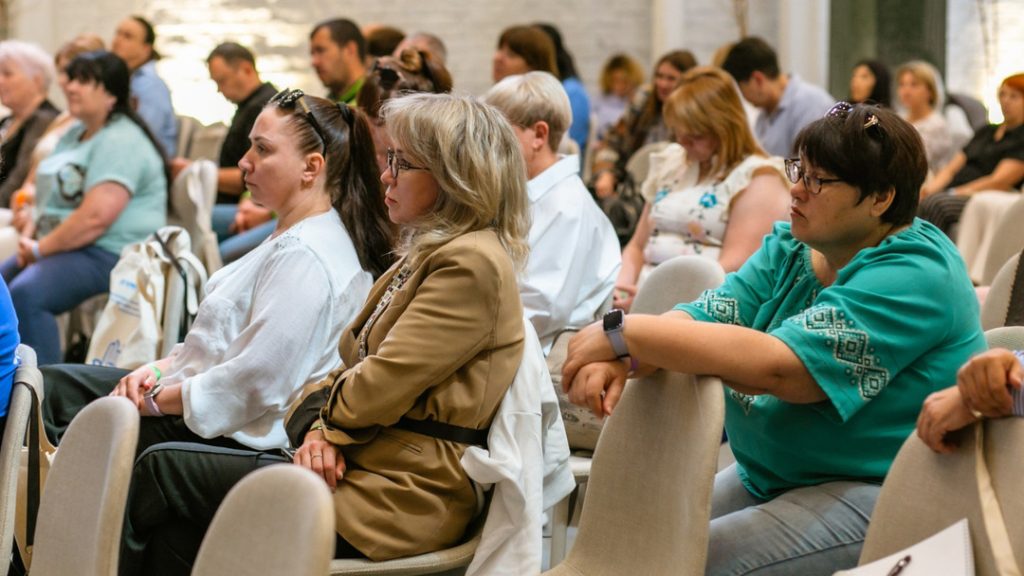
See more photos from the Western Ukraine IDP Councils Forum
About the Forums of IDP Councils
These are annual regional, interregional, and national events launched by the CF SSS in 2022. They bring together representatives of IDP Councils, government bodies, and international and national organizations around the idea of developing tools for local democracy and amplifying the voices of internally displaced people.
Over the years, these interregional forums have become an important platform for networking and shaping a shared vision for the development of IDP Councils. The main goals of these events are to increase influence on local and national policy-making processes, build institutional capacity, exchange experiences, advocate for key issues, strengthen the capacity of the Councils, and provide practical learning opportunities.
This publication was made with the support of UNHCR, the UN Refugee Agency in Ukraine. The content of the publication is the sole responsibility of the Charitable Organization “Charity Foundation “Stabilization Support Services” and does not reflect the views of UNHCR.